SHOWROOM HOURS: 8:00AM to 5:00PM

A Proud Canadian HVAC Company

SHOWROOM HOURS: 8:00AM to 5:00PM

SHOWROOM HOURS: 8:00AM to 5:00PM

HERE'S WHAT YOU NEED TO KNOW

Buying an Older Home in Whitchurch-Stouffville? Why You Should Check Your HVAC System First

Buying an older home in Whitchurch-Stouffville can be an exciting opportunity. Whether you’re looking at an established property in Stouffville, a century home, or an older country property in Ballantrae, Vandorf, or Musselman’s Lake, older homes often offer larger lots, character, mature landscaping, and features that newer homes simply don’t have.

But before you focus on the kitchen, bathrooms, flooring, or finished basement, take a close look at one of the home’s most important mechanical systems: the HVAC system.

A furnace or air conditioner that appears to be working during a showing may still be approaching the end of its service life. An older HVAC system can also affect comfort, energy bills, indoor air quality, and your renovation plans. Knowing the age and condition of the equipment before you purchase the home can help you make a much more informed decision.

Key Takeaways

Buying an older home in Whitchurch-Stouffville means looking beyond what you can see during a showing. The furnace, air conditioner, ductwork, thermostat, and overall heating and cooling performance can have a major impact on your comfort and future homeownership costs.

Before purchasing, find out how old the HVAC equipment is, review maintenance and repair records, pay attention to airflow and comfort issues, and consider getting a qualified HVAC professional to assess older or questionable equipment.

A furnace or air conditioner that works today isn’t necessarily a system you can count on for years to come. Understanding its condition before you buy can help you budget properly, negotiate more confidently, and avoid an unpleasant surprise shortly after moving in.

Buying an Older Home? Don't Forget About the HVAC System

When buyers walk through a home, they naturally pay attention to visible features. They notice the condition of the roof, windows, flooring, kitchen, bathrooms, appliances, and foundation. HVAC equipment is often tucked away in a basement, utility room, attic, or mechanical closet, making it easy to overlook.

That can be a costly mistake.

A home inspection should include the heating and cooling systems, but buyers should understand that a general home inspection is not necessarily the same as a detailed HVAC assessment. A general inspection can identify visible concerns, provide information about equipment age, and confirm whether the system operates, but additional HVAC evaluation may be appropriate when equipment is older or there are concerns about performance.

This is especially important when buying an older Whitchurch-Stouffville home because the community has a diverse housing stock, including older homes and heritage properties. The Town of Whitchurch-Stouffville’s Built Heritage Inventory includes approximately 650 properties of local significance or interest, including properties dating back to before 1925.

An older home doesn’t automatically mean the HVAC system needs to be replaced. In fact, a well-maintained older furnace or air conditioner can continue operating reliably. The important thing is knowing what you’re buying.

1. Find Out How Old the Furnace and Air Conditioner Are

The first question to ask is simple: How old is the HVAC system?

Look for the manufacturer’s label on the furnace and air conditioner. The model and serial numbers can often help determine the approximate age of the equipment.

This matters because HVAC equipment is a major home expense. If you’re buying a property where the furnace and air conditioner are both nearing the later stages of their service lives, you may need to budget for replacement sooner than expected.

For example, an inspection report for a Whitchurch-Stouffville property documented a furnace, air conditioner, roof, and windows that were all original to an 11-year-old home. Another Ontario inspection report identified a 14-year-old high-efficiency furnace and an older air conditioner, noting that the furnace was approaching the latter portion of its expected service life.

The takeaway isn’t that a particular age automatically means replacement. Instead, age should be considered together with condition, maintenance history, efficiency, reliability, and repair history.

If the seller tells you the furnace is “working perfectly,” ask how old it is and whether there are maintenance records to support that claim.

2. A Working Furnace Doesn't Necessarily Mean a Healthy Furnace

One of the biggest mistakes buyers can make is assuming that because warm air is coming from the vents, the furnace is in good condition.

An HVAC system can continue producing heat while components are becoming worn or performance is declining.

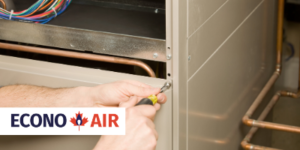
During an HVAC assessment, a technician can look more closely at the system’s condition, including components that may not be obvious during a quick home showing. Depending on the equipment and situation, this can include evaluating airflow, combustion, electrical components, controls, burners, heat exchanger concerns, and overall operation.

This is particularly important before purchasing an older Whitchurch-Stouffville home because replacing a furnace after closing can be an unexpected expense that a new homeowner may not have planned for.

Instead of asking only, “Does the furnace work?”, ask:

“What condition is the furnace in, how old is it, and how much useful life might reasonably remain?”

Those are much more useful questions for a buyer.

3. Don't Ignore the Air Conditioner

Ontario buyers often focus heavily on the furnace because of our winters, but the air conditioner deserves just as much attention.

An older central air conditioner may still turn on during an inspection and provide cool air, but that doesn’t necessarily tell you everything about its condition or efficiency.

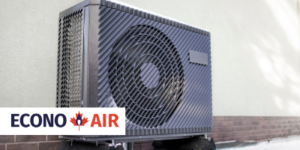
Look at the outdoor condenser, indoor coil, refrigerant lines, electrical components, and thermostat. Ask whether the system has been regularly serviced and whether the seller has experienced problems such as poor cooling, frequent repairs, unusual noises, freezing, or water around the indoor equipment.

If you’re buying a home in Whitchurch-Stouffville during the cooler months, the air conditioner may not be operating under typical summer conditions. That makes it even more important to understand its age and maintenance history rather than simply assuming that it will perform properly when the next hot summer arrives.

For buyers, this can make a significant difference. A home may appear reasonably priced until you discover that both the furnace and AC are near replacement.

4. Check the Ductwork and Airflow, Not Just the Equipment

The furnace and air conditioner aren’t the only parts of the HVAC system worth examining.

The ductwork is responsible for distributing conditioned air throughout the home. Older homes may have undergone renovations, additions, basement finishing, or room reconfigurations over the years. The existing ductwork may not have been designed for those changes.

You may notice symptoms such as bedrooms that are consistently colder than other rooms, weak airflow from certain vents, excessive noise, or difficulty maintaining an even temperature.

In a larger older Whitchurch-Stouffville property, this can become even more noticeable. Country homes, renovated farmhouses, estate properties, and older multi-level homes can have very different heating and cooling requirements from a typical newer subdivision home.

A technician can help determine whether the issue is related to the equipment, ductwork, airflow, insulation, thermostat, or another part of the system.

That information is valuable before you start planning renovations.

5. Consider the Home's Insulation and Overall Efficiency

An HVAC system doesn’t work in isolation.

If an older home has insufficient insulation, air leakage, older windows, or other efficiency problems, the furnace and air conditioner may have to work harder to maintain comfortable temperatures.

This can create a frustrating situation for a new homeowner: the HVAC system appears to be operating, but certain rooms remain uncomfortable and energy bills are higher than expected.

Older Whitchurch-Stouffville homes can be particularly interesting from this perspective because properties may have been renovated at different times. One portion of the home may have modern insulation and windows while another section retains older construction.

Before purchasing, look at the entire picture rather than blaming the HVAC equipment for every comfort problem.

A professional assessment can help identify whether the system itself needs attention or whether improvements to insulation, ductwork, windows, or air sealing should also be considered.

6. Ask for Maintenance and Repair Records

If you’re seriously considering an older home, ask whether the seller has records for the furnace and air conditioner.

Maintenance invoices can tell you much more than a listing description.

Look for evidence of regular furnace maintenance, AC service, component replacements, previous repairs, and any recurring problems. If the system has required repeated repairs over the past few years, that may be a sign that you should investigate further.

On the other hand, a documented maintenance history can provide useful reassurance.

Don’t be afraid to ask questions such as:

When was the furnace last serviced?

When was the air conditioner last serviced?

Have any major components been replaced?

Has the system ever stopped working unexpectedly?

Has the homeowner had recurring HVAC problems?

These answers can help you understand what you’re actually purchasing.

Frequently Asked Questions About HVAC Systems in Older Whitchurch-Stouffville Homes

The HVAC system is one of the most important mechanical systems in any home, yet it is easy to overlook during a property viewing. When buying an older home in Whitchurch-Stouffville, the furnace, air conditioner, ductwork, thermostat, and ventilation system may be several years or even decades old. A system can still operate during a home inspection while being close to the end of its useful service life or showing signs of developing problems.

Checking the HVAC system before purchasing can help you understand its age, condition, maintenance history, efficiency, and potential repair or replacement needs. This is particularly valuable when purchasing an older home in Stouffville, Ballantrae, Musselman’s Lake, Vandorf, or surrounding communities, where properties can vary significantly in age, size, construction, and renovation history. Knowing the condition of the HVAC equipment before closing can help you budget for future expenses and avoid an unexpected furnace or air conditioner replacement shortly after moving in.

The furnace should have a manufacturer’s rating plate or data label containing information such as the manufacturer, model number, and serial number. The serial number can often be used to determine when the equipment was manufactured, although the format varies between manufacturers.

When purchasing an older home, don’t rely solely on the seller’s estimate of the furnace’s age. Ask for the equipment documentation, installation invoice, warranty information, and previous maintenance records if they are available.

The age of the furnace is only one part of the assessment. A properly maintained older furnace may continue to operate reliably, while a newer furnace that has experienced repeated problems may require attention. An HVAC professional can assess the equipment’s current condition and help you understand whether it is reasonable to continue maintaining it or whether replacement planning should be considered.

If the furnace is older, has an unknown maintenance history, shows signs of deterioration, or raises concerns during the home inspection, having it assessed by an HVAC professional can be a worthwhile step.

A general home inspection can provide useful information about the furnace and whether it appears to operate, but an HVAC technician can provide more specialized insight into the heating equipment. Depending on the system, an HVAC assessment may involve examining components, operation, airflow, controls, electrical connections, combustion-related components, and other signs of wear or malfunction.

For buyers purchasing an older Whitchurch-Stouffville home, getting more detailed information before closing can help prevent surprises later.

There isn’t one specific age at which every furnace should automatically be replaced. Age should be considered alongside condition, maintenance history, efficiency, repair frequency, and reliability.

An older furnace that has been regularly maintained and is operating properly may continue to provide dependable heating. However, as equipment ages, the likelihood of component failures and more significant repairs can increase.

If you’re purchasing a home with an aging furnace, the important question isn’t simply whether it is “old.” The better question is whether the system remains reliable and economical to maintain and whether you should begin planning financially for eventual replacement.

Absolutely. The air conditioner should receive the same attention as the furnace.

An older AC system may appear to work during a showing while still having performance or maintenance issues. Buyers should consider the equipment’s age, cooling performance, maintenance history, condition of the outdoor condenser, indoor coil, refrigerant circuit, electrical components, and overall reliability.

If you’re buying during the cooler months, the air conditioner may not be operating under typical summer conditions, making its maintenance records and age particularly important.

A professional HVAC assessment can help you determine whether the existing air conditioner appears suitable for continued use or whether you should start planning for eventual replacement.

Older homes can experience a wide range of HVAC-related issues. Some properties may have aging furnaces or air conditioners, while others may have ductwork that was modified during renovations without adequately accounting for airflow requirements.

Homeowners may notice uneven temperatures between rooms, weak airflow, excessive cycling, unusual furnace or AC noises, poor cooling performance, or higher-than-expected energy consumption. Older thermostats, worn components, inadequate insulation, air leakage, and outdated ductwork can also contribute to comfort problems.

The important point is that not every comfort problem means the furnace or AC needs to be replaced. A professional diagnosis can help determine whether the underlying issue is equipment-related, ductwork-related, insulation-related, or caused by another part of the home’s construction.

It can, but efficiency depends on the specific equipment, its condition, maintenance, and how it is being operated.

Older furnaces generally use older technology than modern high-efficiency models, but replacing a functioning furnace solely because it is older isn’t always the right decision. The potential energy savings need to be considered alongside the purchase price of new equipment, installation costs, expected remaining life of the existing furnace, and its repair history.

For someone buying an older Whitchurch-Stouffville home, understanding the furnace’s current condition can help determine whether immediate replacement is justified or whether continued maintenance makes more sense.

Ask the seller for as much information as possible about the furnace and air conditioner. Important questions include when each system was installed, whether the equipment has been regularly maintained, whether any major repairs have been completed, and whether the homeowner has experienced recurring problems.

You should also ask whether the equipment is covered by any remaining warranty or service agreement and whether maintenance invoices are available.

If the seller has recently replaced a major HVAC component, ask for documentation. A paper trail can provide useful information about what has been repaired and when.

Not necessarily. Replacement should depend on the condition and circumstances of the equipment rather than simply the age of the home.

If the furnace is operating safely and reliably, has been maintained, and isn’t experiencing significant problems, continuing to use it while planning for eventual replacement may be perfectly reasonable.

However, if the furnace is experiencing repeated breakdowns, major component failures, poor performance, or other serious concerns, replacement may make more sense.

For new homeowners, the biggest benefit of an HVAC assessment is having enough information to make that decision rather than being forced into an emergency replacement after moving in.

Yes. Significant HVAC concerns may become an important part of your decision-making process during a home purchase.

If the furnace or air conditioner is nearing the end of its service life, has serious defects, or requires major repairs, knowing this before closing gives you the opportunity to discuss the issue with your real estate professional and consider how it affects the overall value and future costs of the property.

An HVAC assessment doesn’t determine what you should offer for a home, but it can provide useful information about potential expenses that may otherwise be overlooked.


Heating & Cooling Services Near You: In Need of a Repair, Installation or Maintenance?

Heating & Cooling Services

At Econoair Heating & Cooling, we are proud to provide reliable and affordable HVAC services in and the surrounding communities. Whether you’re dealing with a broken furnace in the winter, an inefficient air conditioner in the summer, or you need a new water heater installed, our team of licensed HVAC technicians is here to keep your home comfortable year-round.

With decades of hands-on experience, we understand the unique HVAC needs of homeowners. From historic homes to newly built properties, we deliver customized, energy-efficient heating and cooling solutions that help reduce energy bills and extend the life of your equipment. Our experts work with all major HVAC brands and models, ensuring every installation, repair, and maintenance service meets the highest industry standards.

We offer a full range of HVAC services, including:

At Econoair, we know HVAC problems can happen when you least expect them. That’s why we provide 24/7 emergency HVAC service in Richmond Hill & Toronto, so you never have to worry about being stuck without heating or cooling when you need it most.

When you choose Econoair, you’re not just getting another HVAC contractor—you’re choosing a trusted local company that puts customer satisfaction first. We take pride in offering dependable workmanship, competitive prices, and solutions that make your home more comfortable and energy-efficient.

If you’re searching for the best HVAC company in Richmond Hill, look no further than Econoair Heating & Cooling. Call us today to book your service or request a free estimate on installation!

Have a question?

Unsure what you require or what system you have? Call us!

Call our Experts! (905) 763-2400

5 HVAC Problems Common in Older Whitchurch-Stouffville Homes (And How to Fix Them)

5 HVAC Problems Common in Older Whitchurch-Stouffville Homes (And How to Fix Them)

HERE’S WHAT YOU NEED TO KNOW 5 HVAC Problems Common in Older Whitchurch-Stouffville Homes (And How to Fix Them) Older homes in Whitchurch-Stouffville have plenty of character, but their heating and cooling systems can come with unique challenges. Aging furnaces, outdated air conditioners, inefficient ductwork, poor airflow, and older thermostats can all

Why Does My Air Conditioner Keep Freezing Up?

HERE’S WHAT YOU NEED TO KNOW Why Does My Air Conditioner Keep Freezing Up? A frozen air conditioner can quickly become a frustrating problem for Richmond Hill homeowners, especially during the hottest days of summer. When ice builds up on your AC system, it can reduce cooling performance, increase energy costs, and

Get a quick response via text.

By submitting, you authorize Econoair to text/call the number above, possibly using automated means &/or AI-generated calls/content. Msg/data rates apply, msg frequency varies. Consent is not a condition of purchase. Text HELP for help and STOP to unsubscribe.